Japan, Week 2
Naoshima — Teshima

Five years ago on my first visit to Japan, I ran out of time to visit the ‘Art Islands’ — Naoshima and Teshima, and I was so upset about it. This time, it has become an absolute highlight of my trip. Part of the Setouchi Islands, these two of some 3000 islands in the Seto Inland Sea were reimagined in the 1990s by an art-loving businessman into an art lover’s oasis.
Here, the immersive experiences of art and nature defy belief. There’s something so symbiotic between art and nature in Japan. It is culturally prioritised, and this feels so right. Distraction is removed, leaving space to contemplate and take in the beauty of our world. Integrated deep into the landscape, and at one with the elements — we are lucky to take these memories with us.
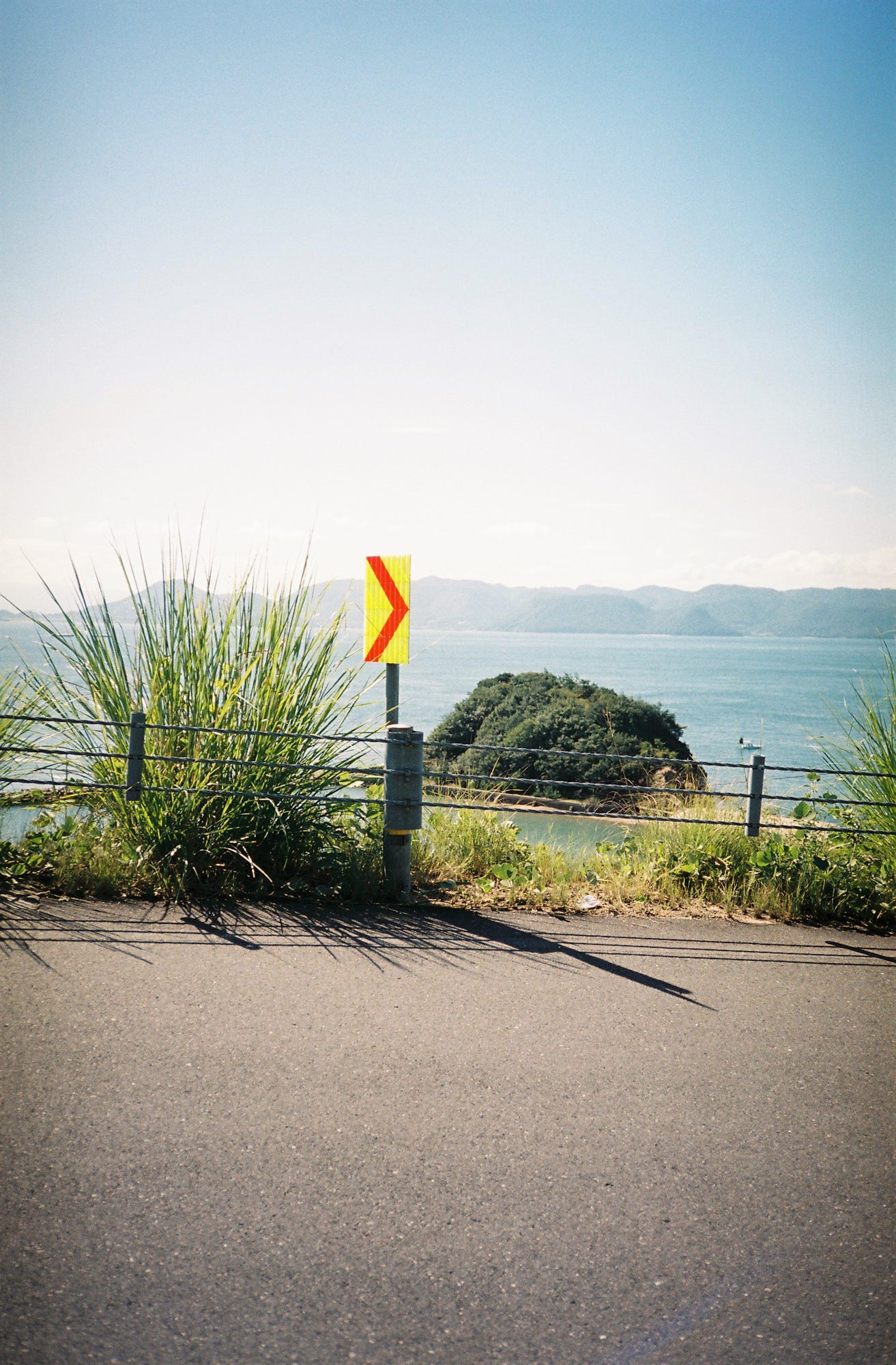
Naoshima
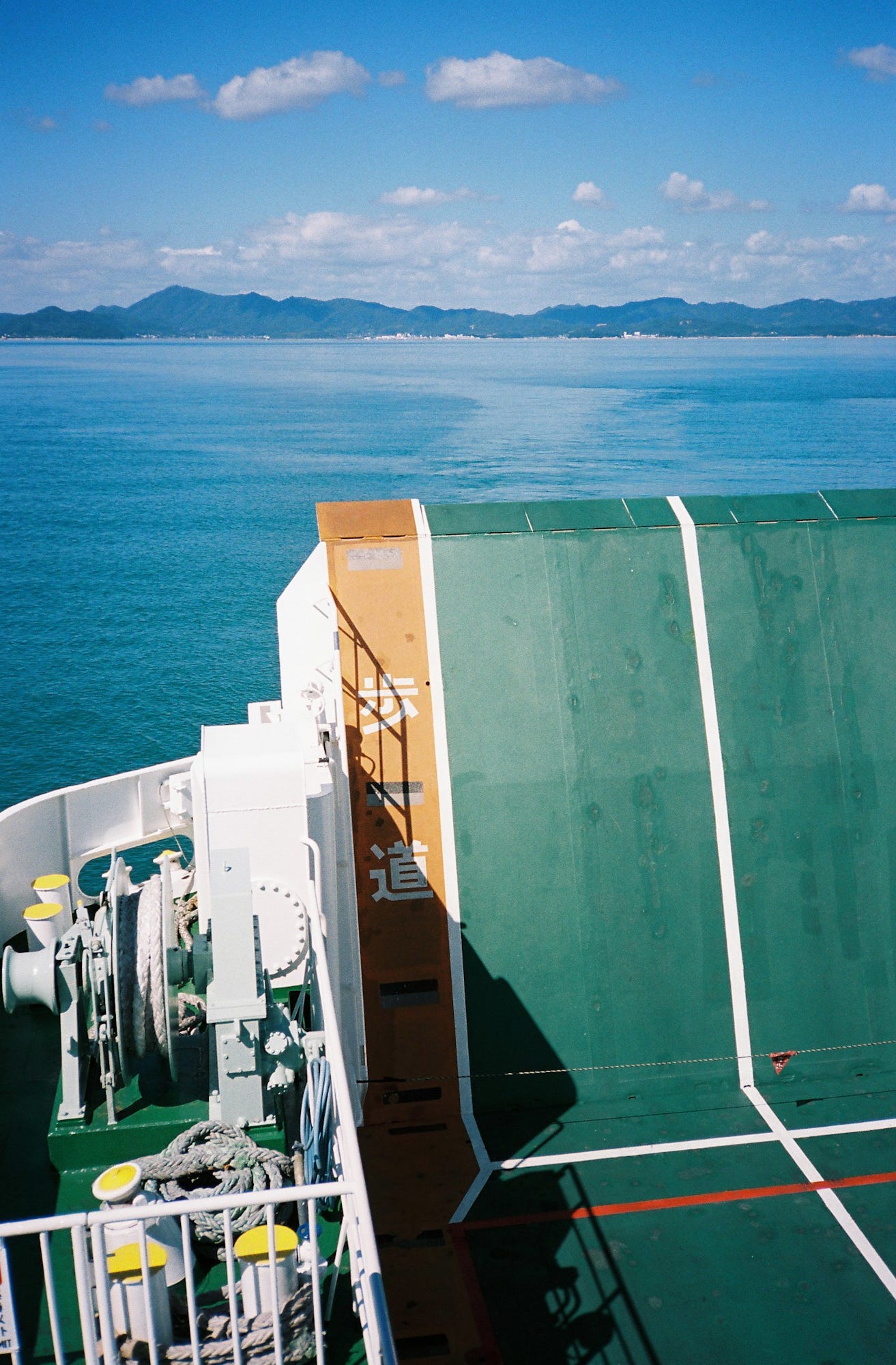
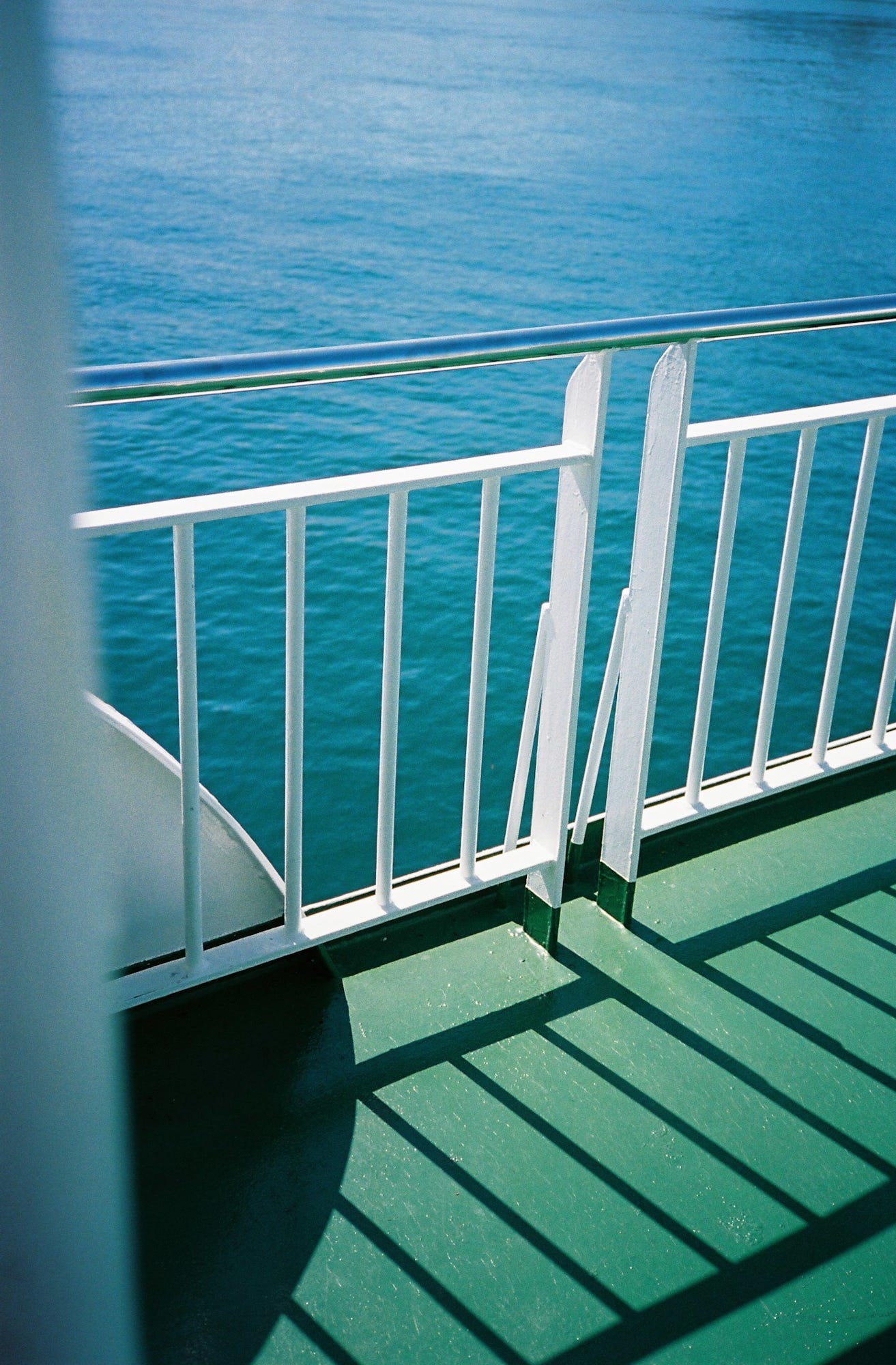
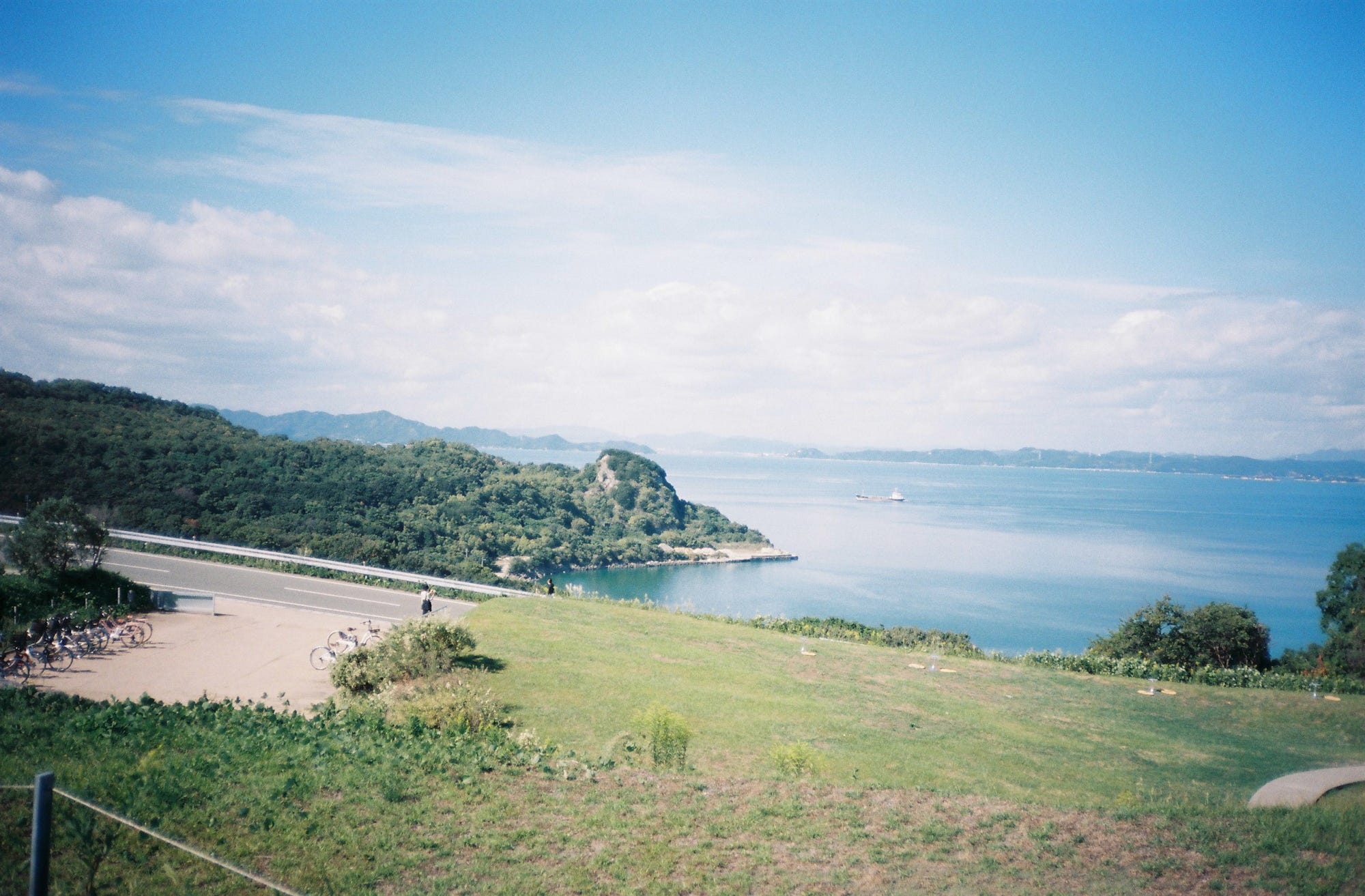
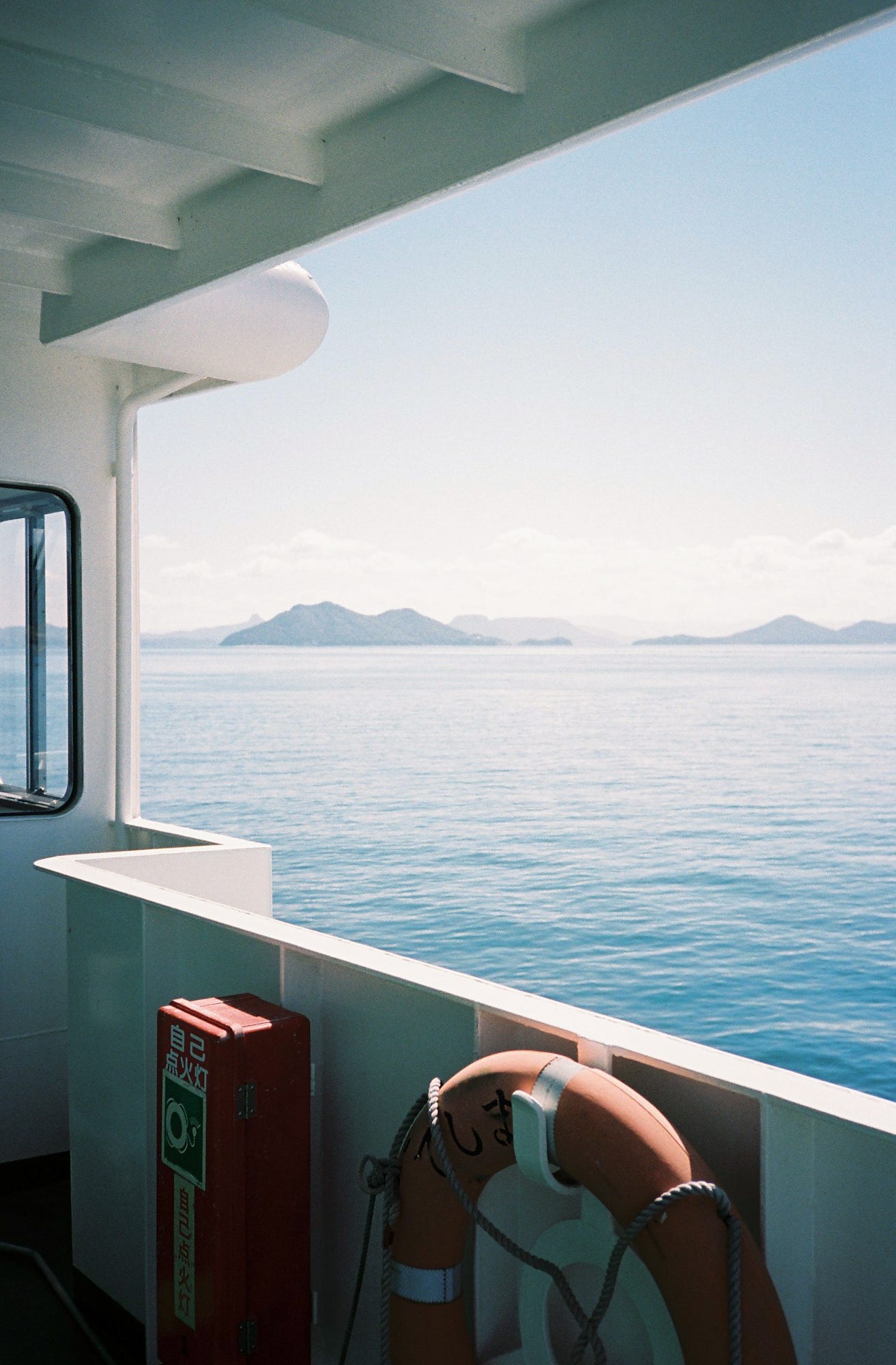
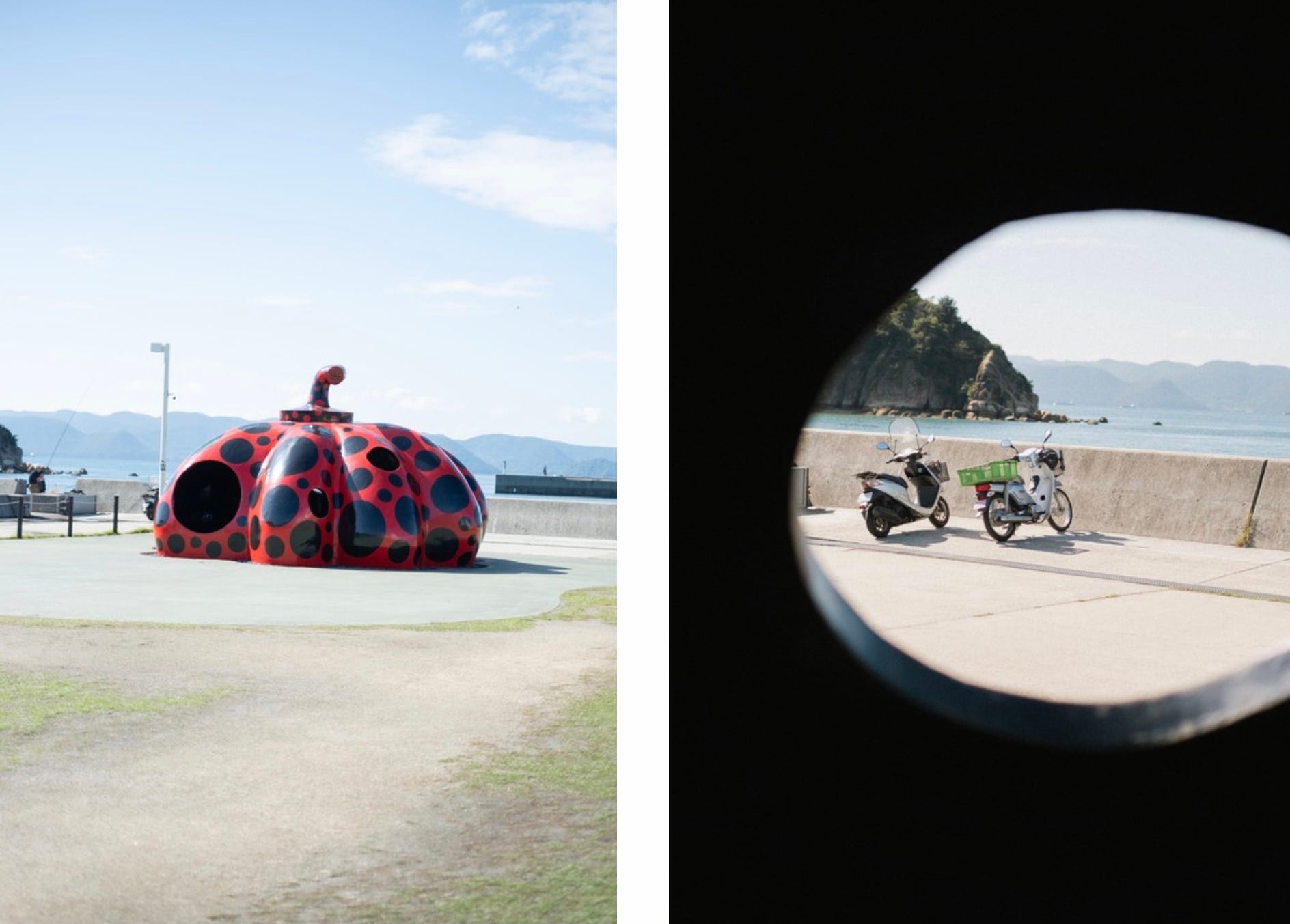
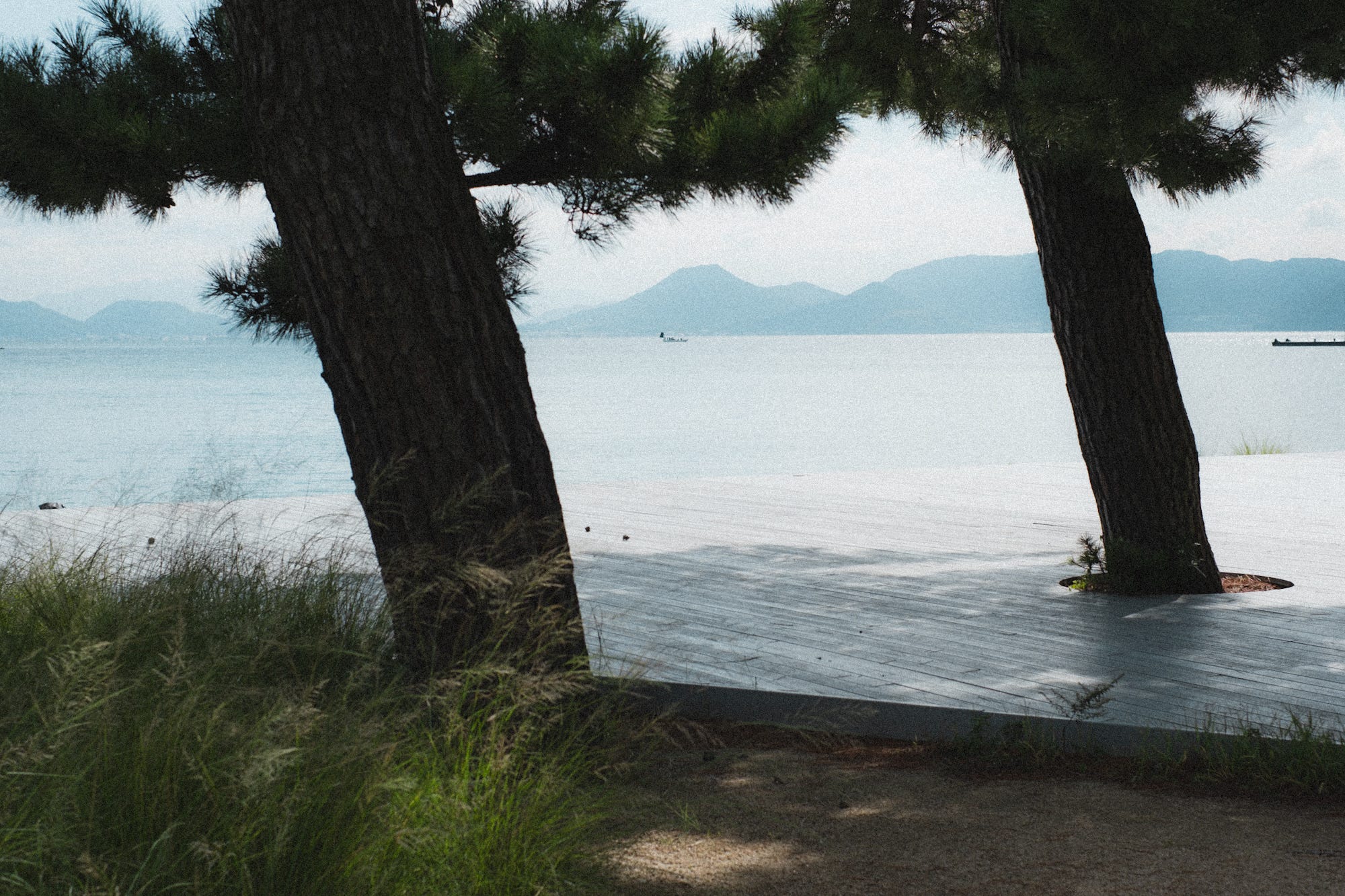
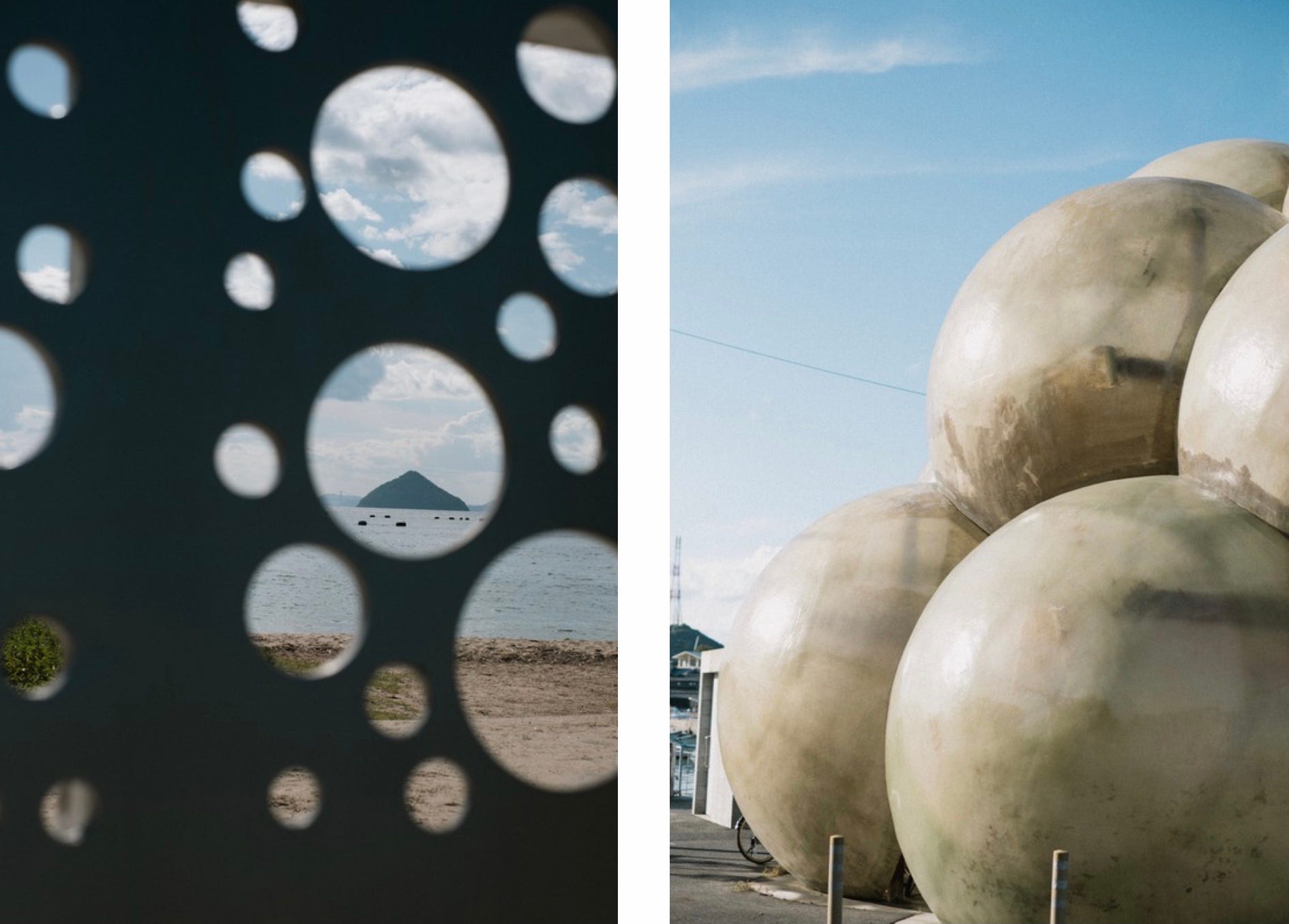
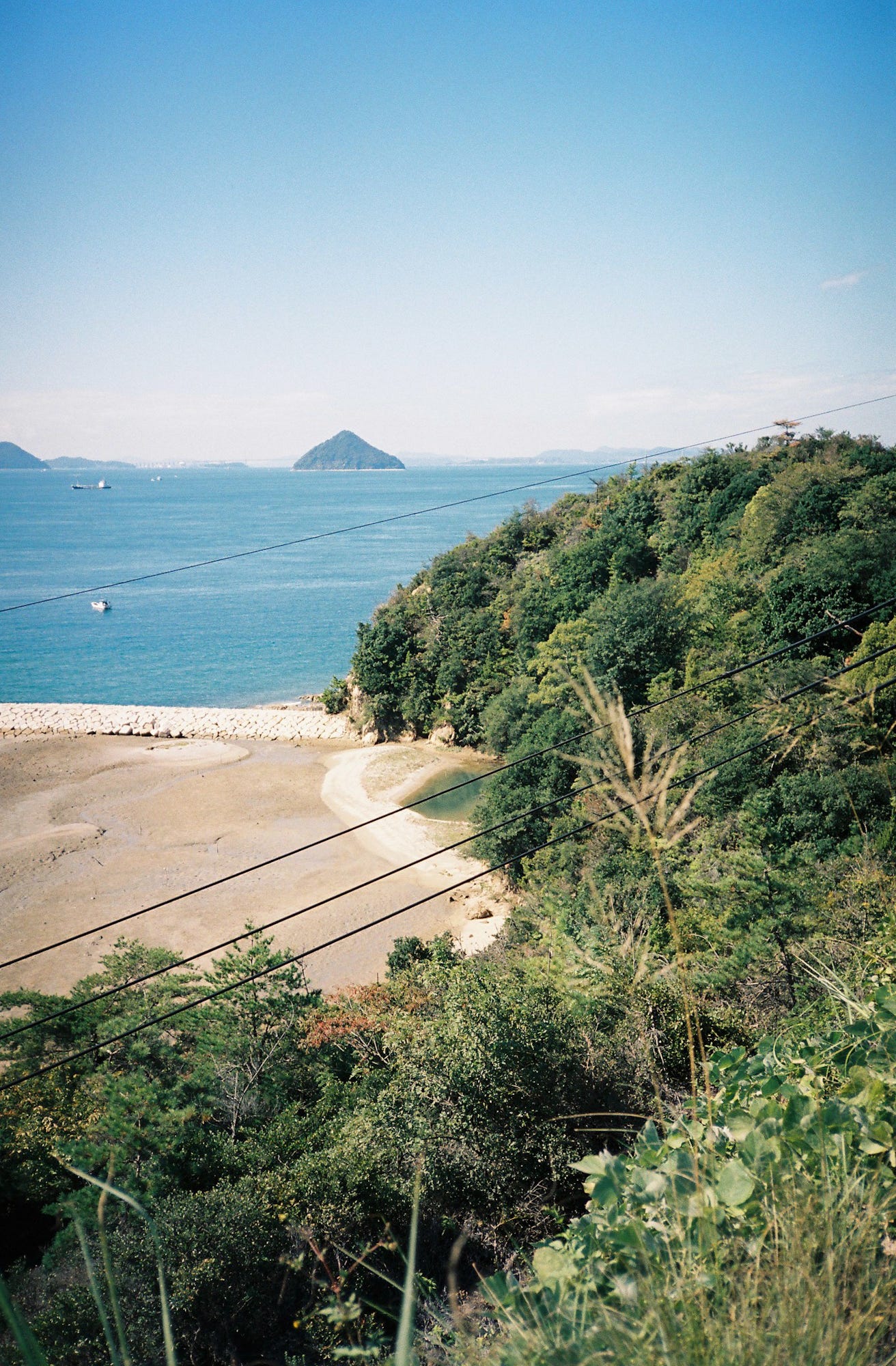
This was one of the best days I’ve ever had. Every day on this trip makes me elated, but this day topped the charts. Naoshima is magical, there’s no other word for it. The 20 minute ferry ride from Uno takes on you a scenic cruise, revealing layers of hazy distant islands along the horizon, as far as can see. I can sense the collective anticipation for what the day’s adventure will bring.
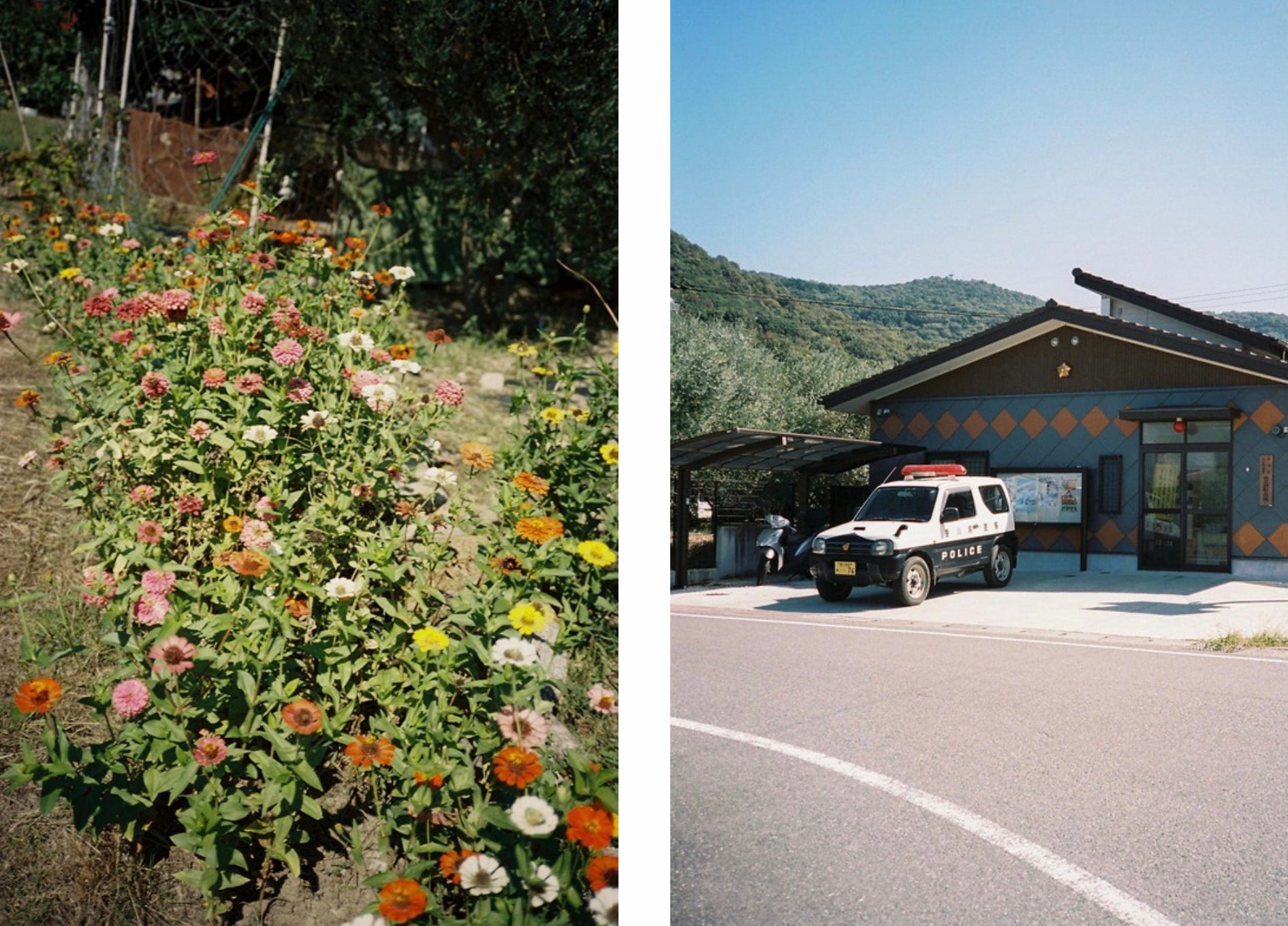
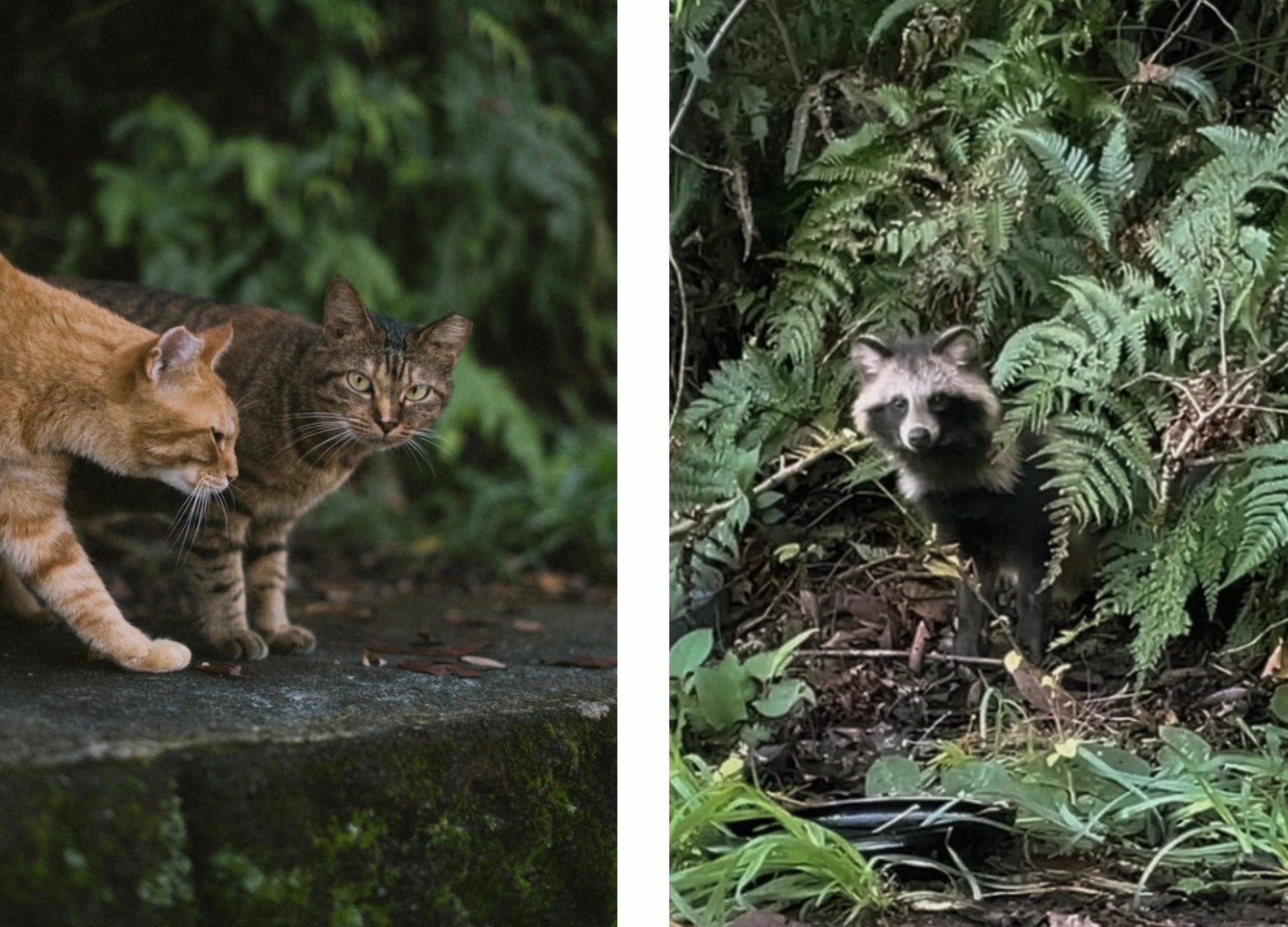
After getting off the ferry, I spent the whole day cruising around the island on an electric bike, soaring along at dragonfly-speed, as they soared along next to me. Eagles were floating overhead and small crabs crossed the road. I ignored the instructions to go slowly and tore around the hills and bends with abandon, the humid breeze whistling through my hair. I stopped along the road to pat a cluster of wild cats, when a small creature appeared from behind them. I asked a Japanese person what it was, and she was excitedly unsure, maybe a tanuki? After a quick Google, this was indeed a tanuki — a Japanese raccoon dog! The cutest little thing, usually nocturnal. The woman and I squealed with excitement. What a place. And I hadn’t even seen any art yet.
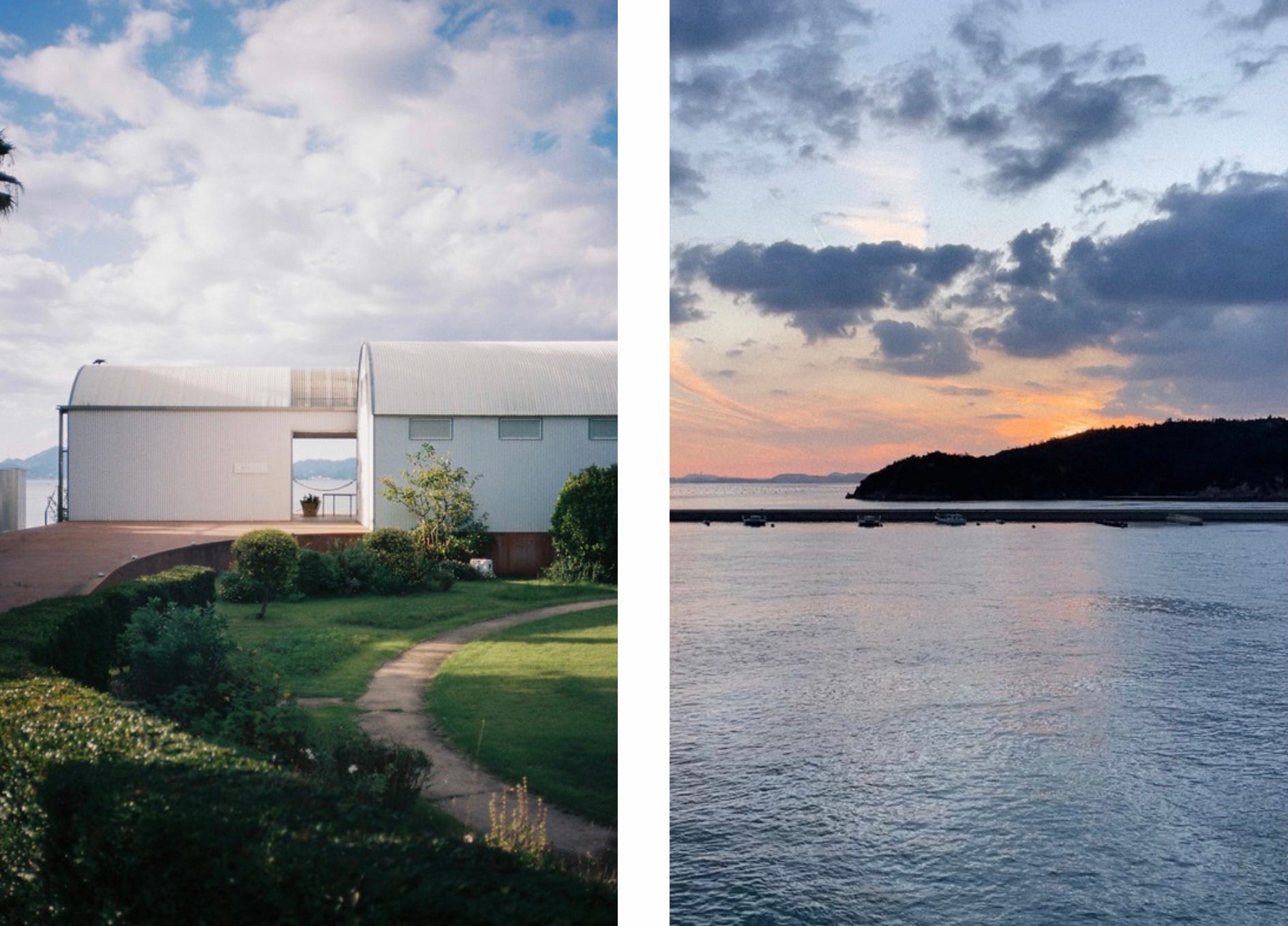
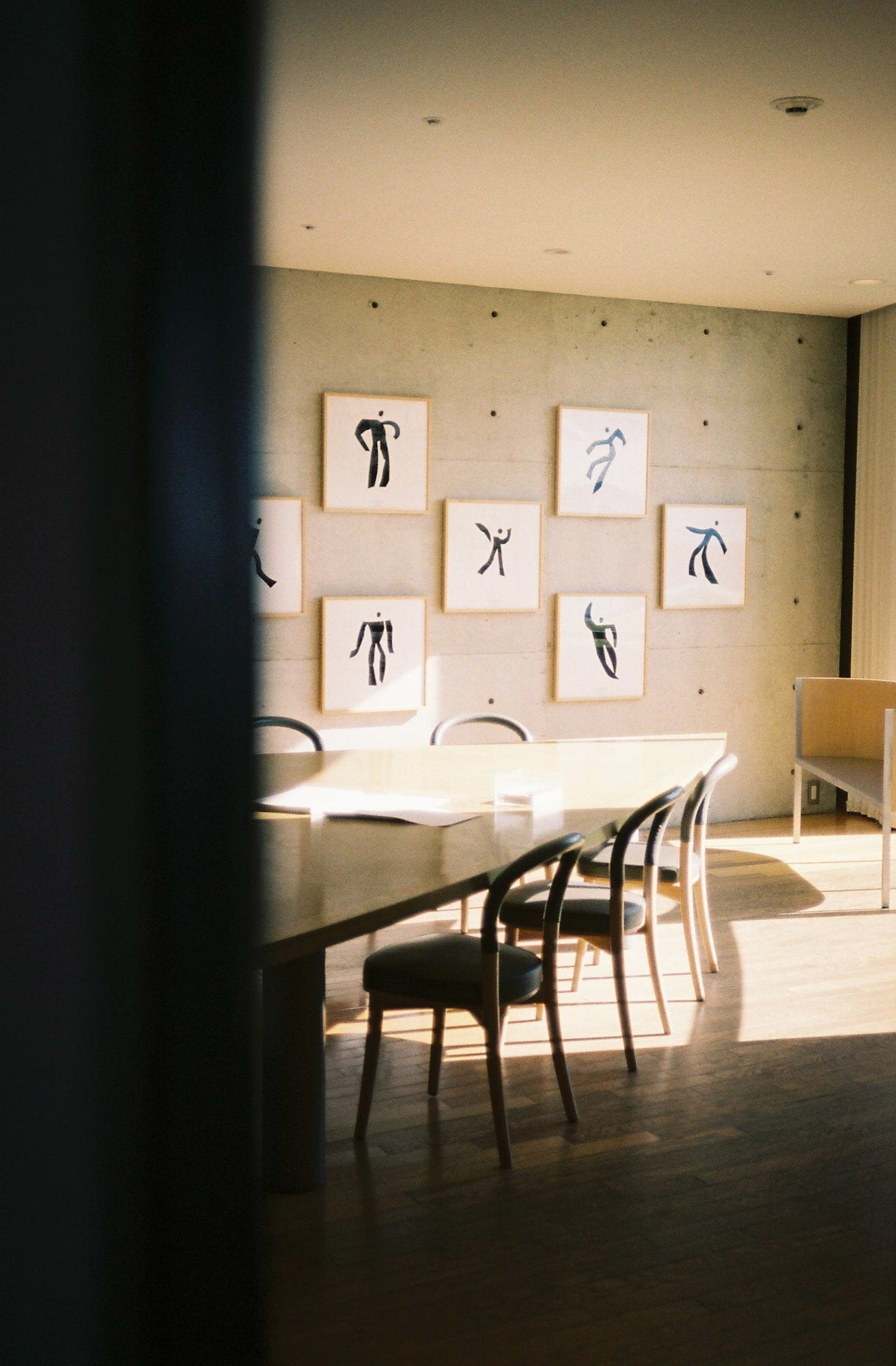
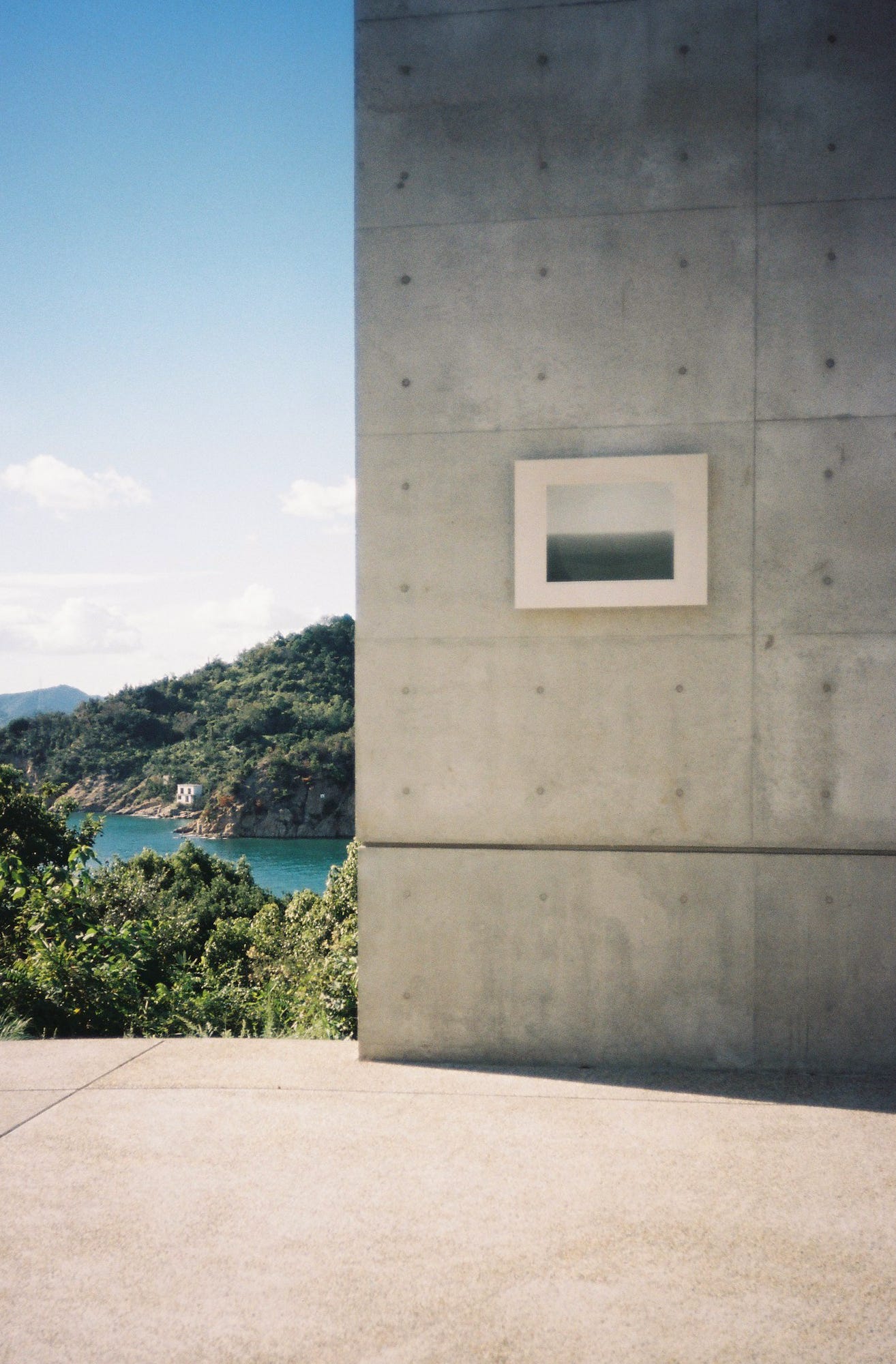
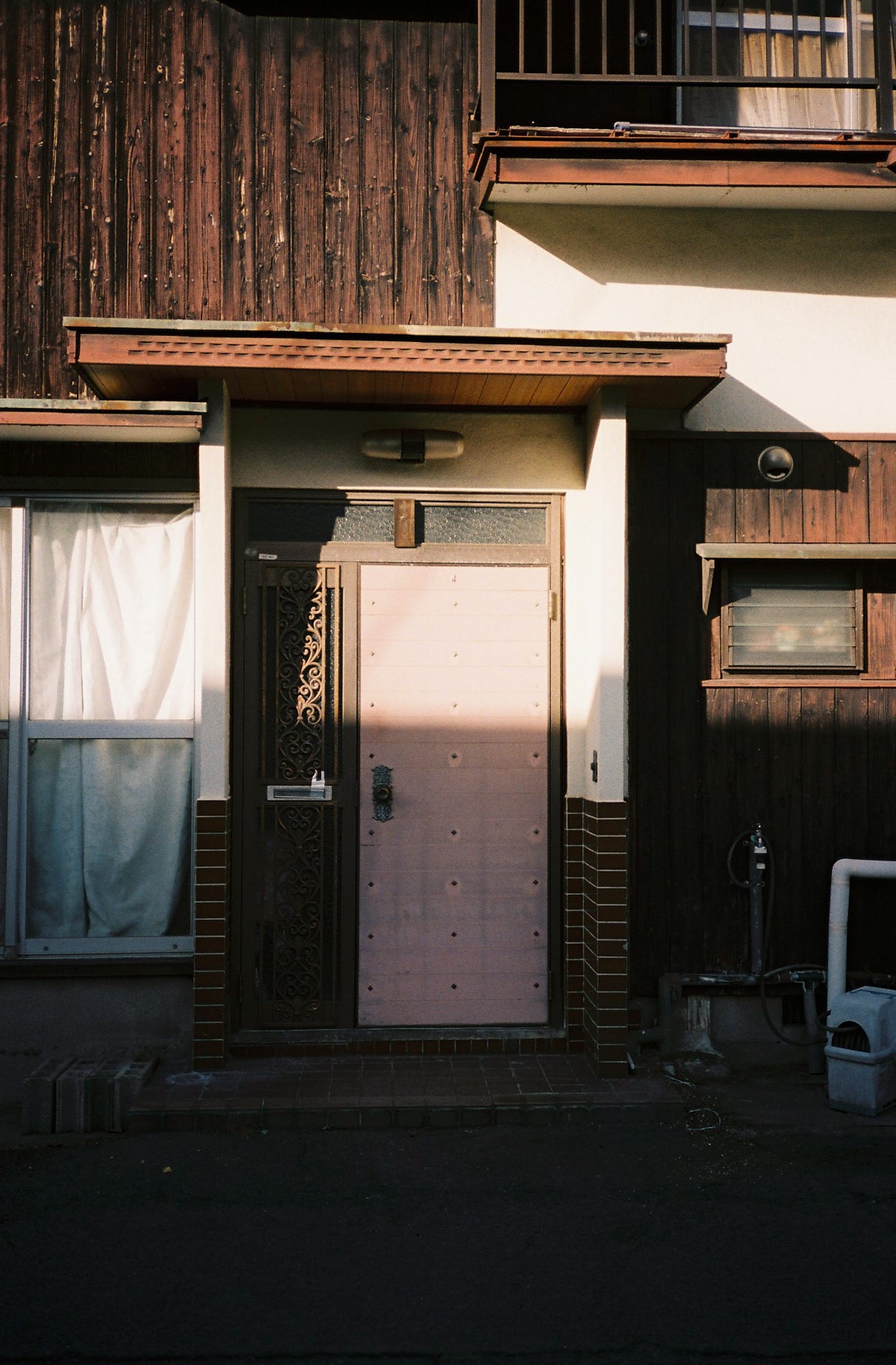
Each gallery along the island is an architectural feat, many designed by famed self-taught architect Tadao Ando, carved into the landscaped and dotted along the 10km loop of small villages, twisting roads and blue ocean views. It fascinates me that people live here, and live a regular life on this island.
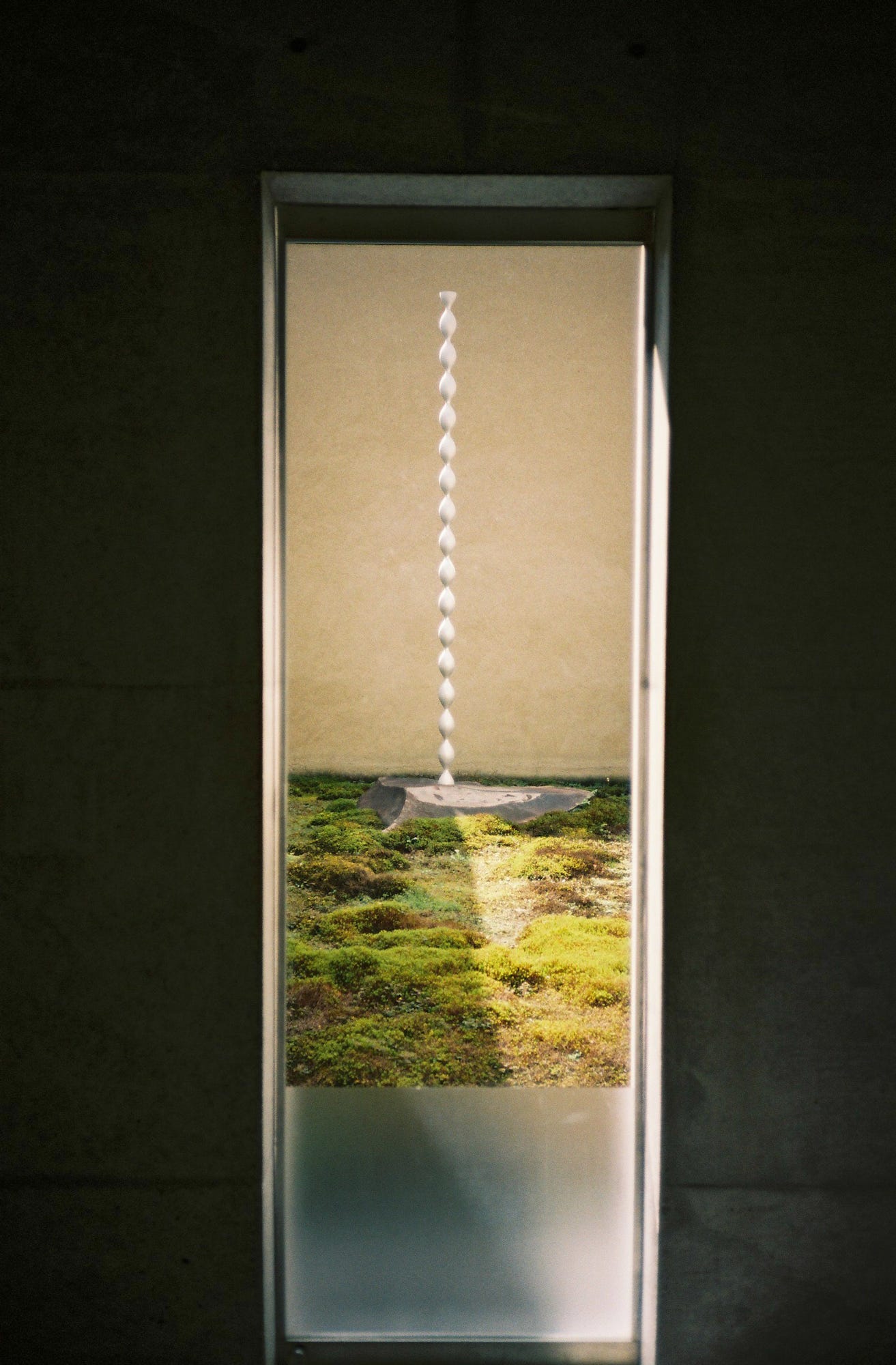
Chichu Museum made me cry more than once. As you wander along the road past a water lily pond, and up the hill, you enter a concrete tunnel revealing a series of cavernous, three-metre high concrete spaces. The rooms are underground, and only naturally lit from discreet portals to the sky. No phones, no cameras, no photos, and no shoes. The Claude Monet room was profound, and intimately shared with only three other visitors in the room. The gravity of the space, and the colours of the water lilies, overcame me. I tried to hold back my tears because the room was so silent. It was an honour to experience, and how art should be experienced — devoid of crowds and Instagram moments. Just presence. Likewise in the James Turrell chamber, a skylight to the open sky within a square concrete outdoor room was so incredibly moving, a spiritual experience.
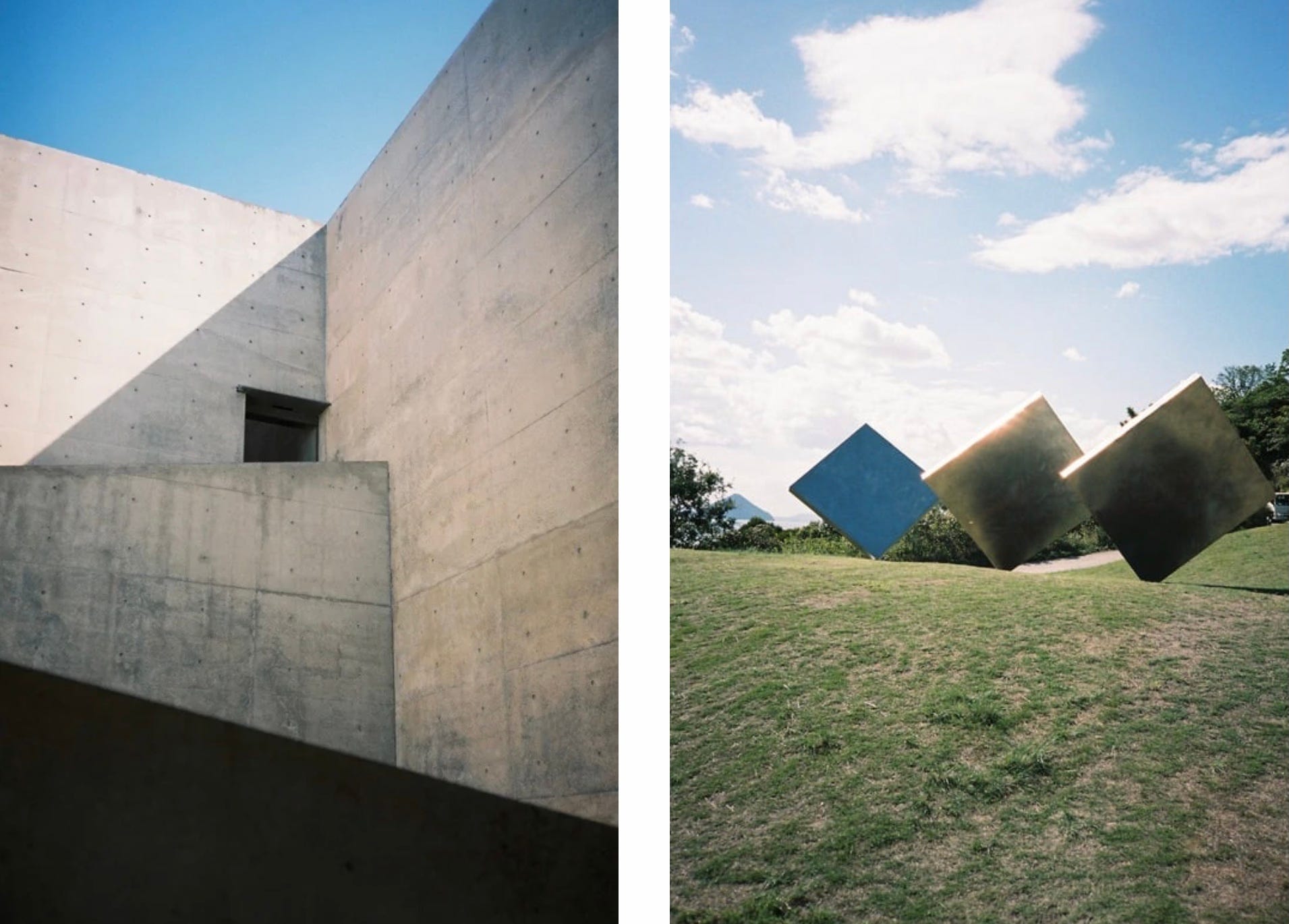
Hiroshi Sugimoto’s gallery was exquisite, similarly to his Enoura Observatory from last week. Along the journey between museums, you are gifted surprise sculptural delights along the way, overlooking the water. It’s no wonder that I ran out of time to see every art exhibit, but it’s just another reason to go back.
Teshima
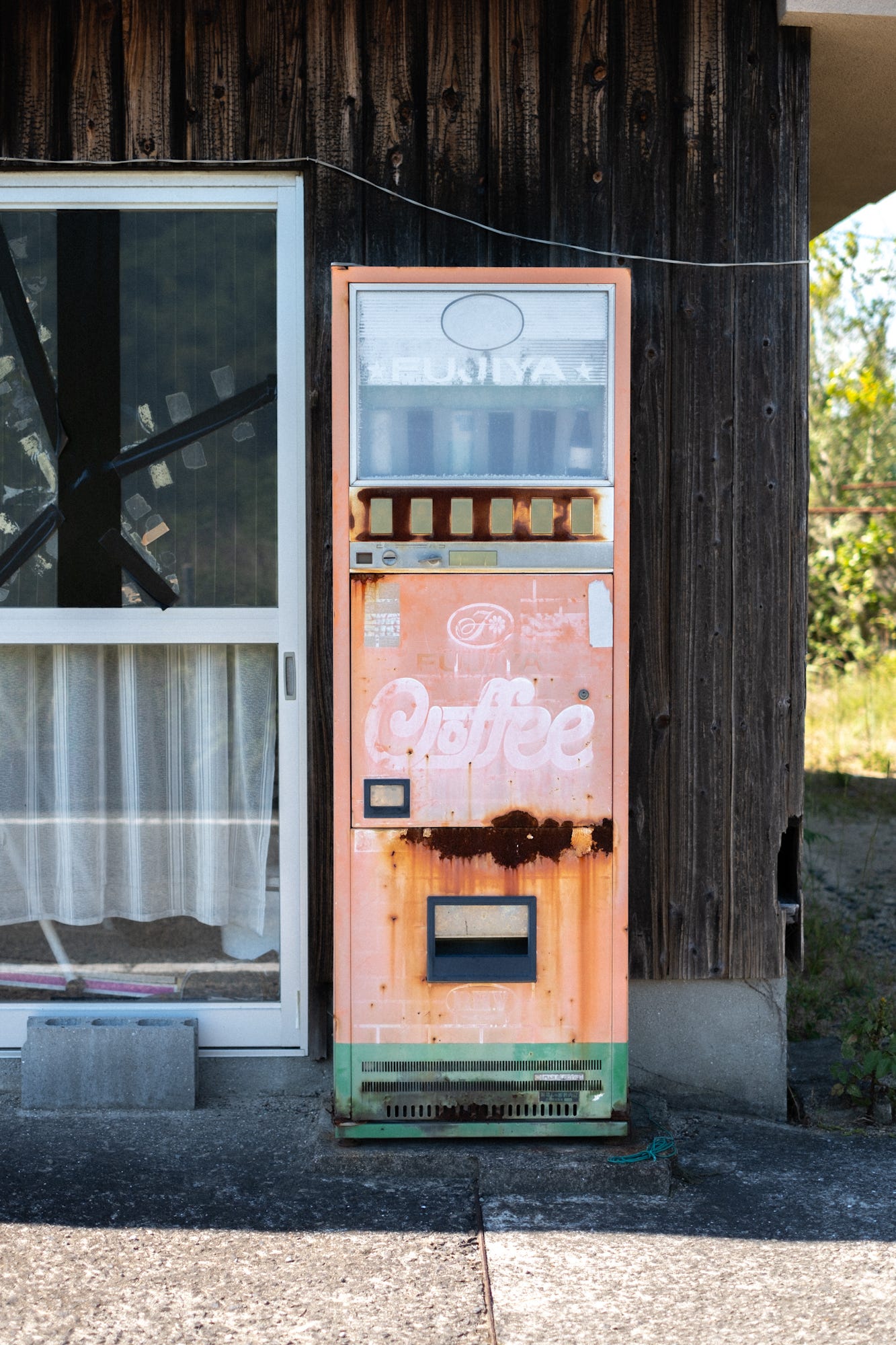
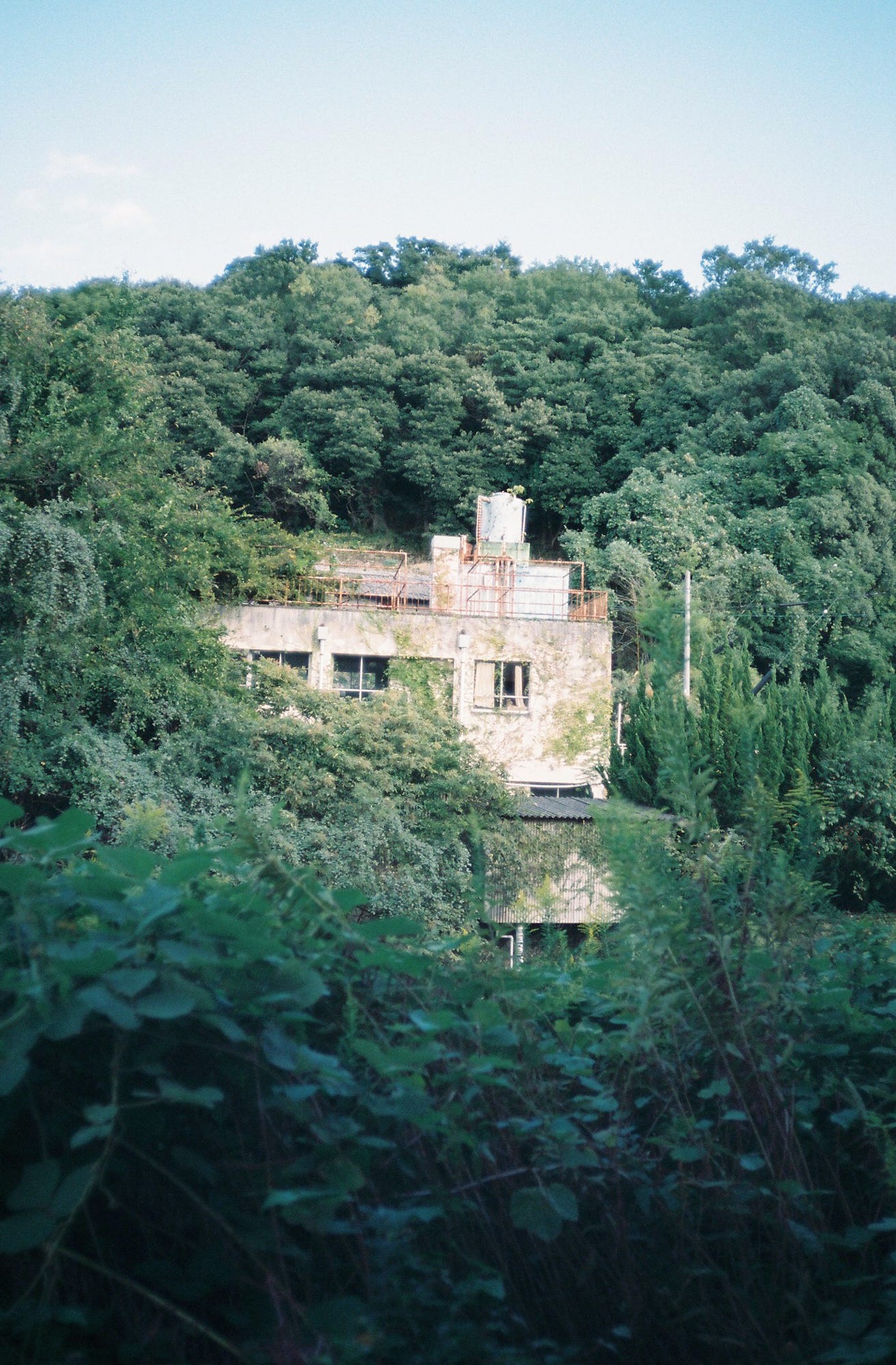
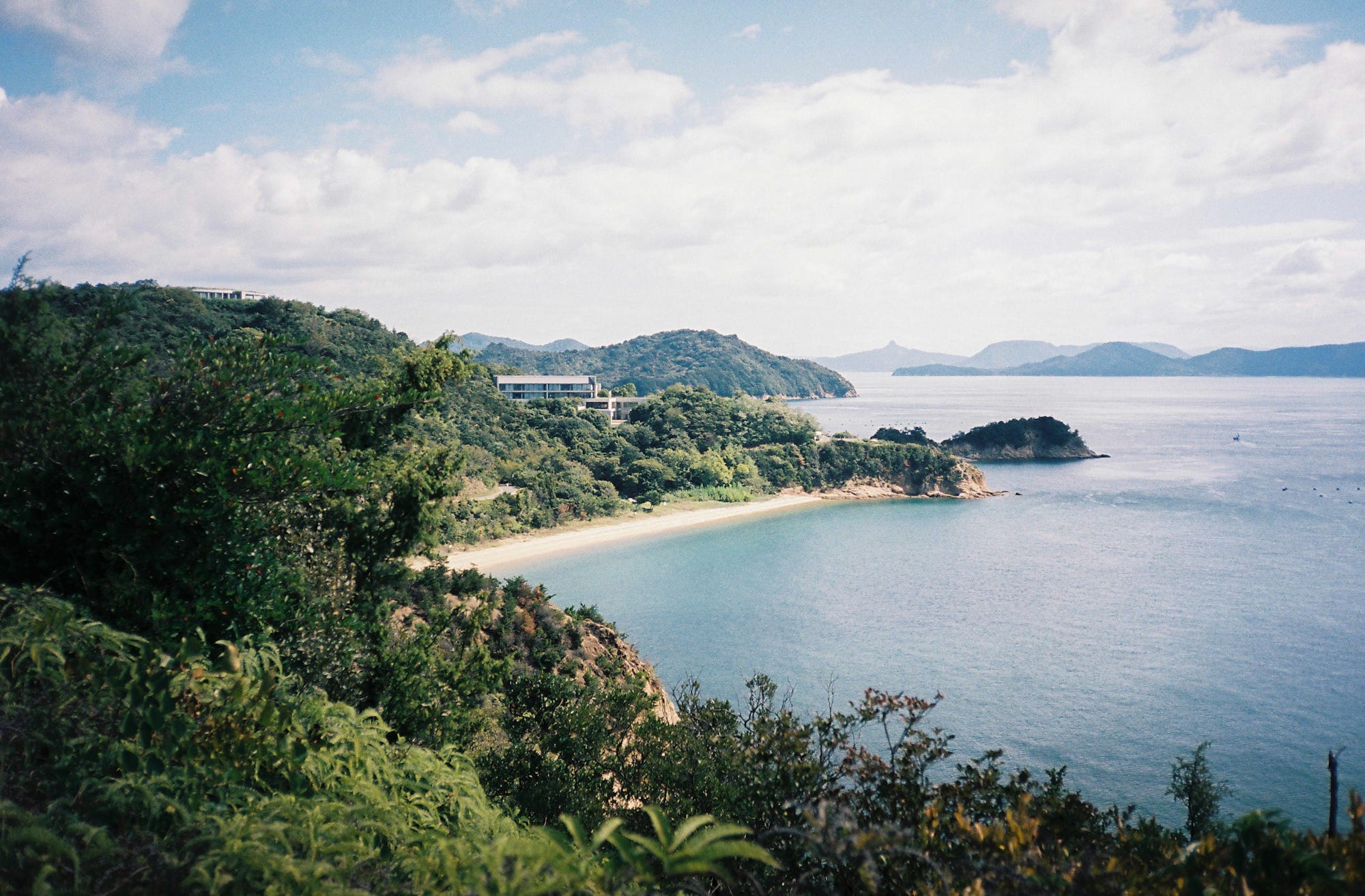
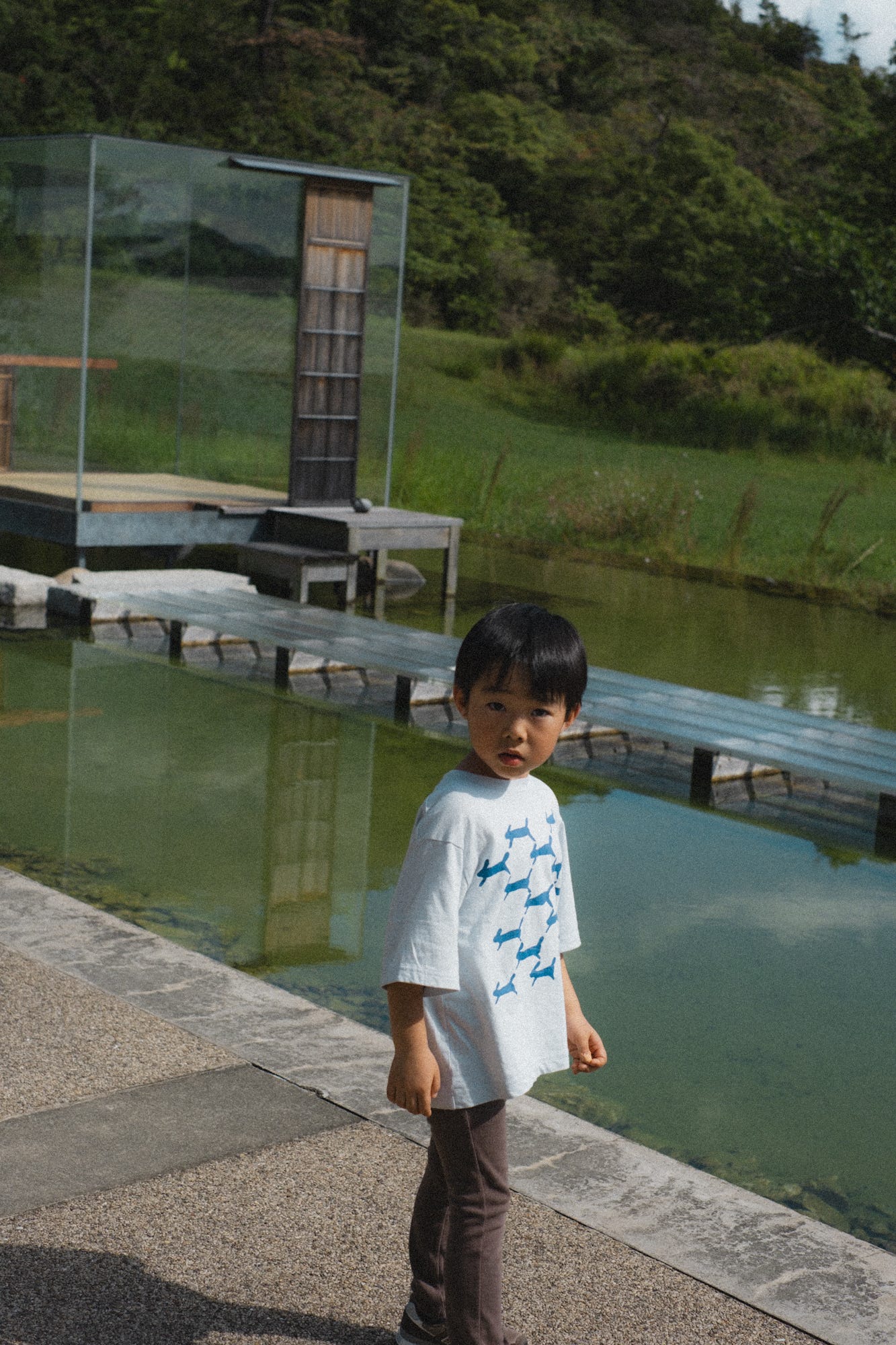
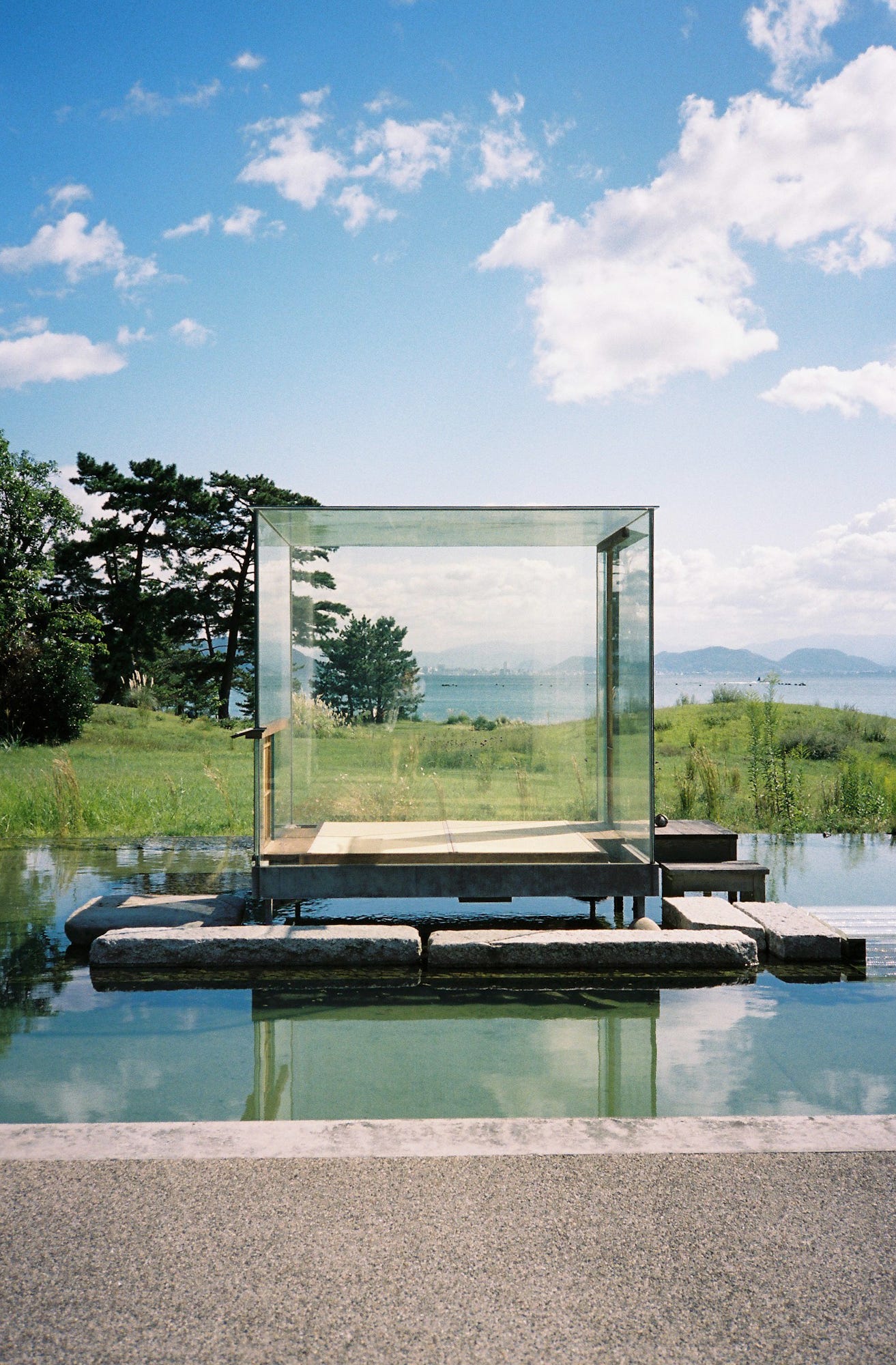
Teshima was previously an illegal dumping ground for toxic waste, which thankfully has been reversed to what seemed like its former flourishing wonderland. This island was even sleepier and tinier than Naoshima, with less visitors and less locals about. Such a quiet, special little place. I picked up another electric bike and cruised to Yokoo House, an art gallery in a repurposed traditional Japanese house. Extremely cool. I had a local strawberry sorbet under an umbrella to escape the heat, when I realised it was nearly my session time at the Teshima Art Museum, so I had to hustle. They don’t mess about with admission time slots here. The ride was extremely steep, and warm, and even with power it was an uphill slog. I stopped to catch my breath, and to take in the scenery, community gardens, and abandoned buildings. Old driveways lead to nowhere, swallowed by jungle. I made it just in time, arriving at the top of the hill overlooking the large white domes, semi-submerged into the landscape before the turquoise ocean below. An otherworldly outlook, and a huge reward for the sweaty voyage.
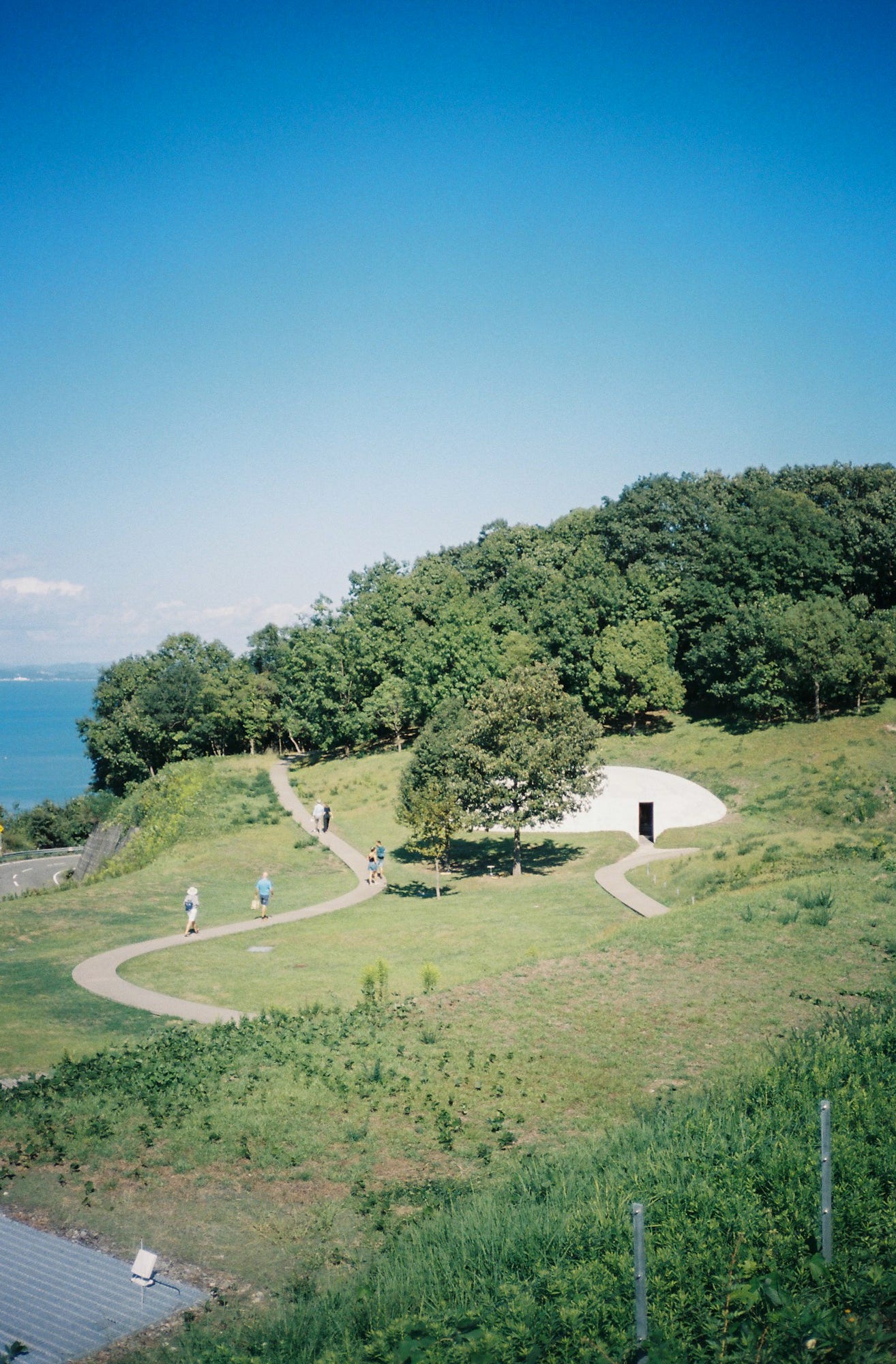
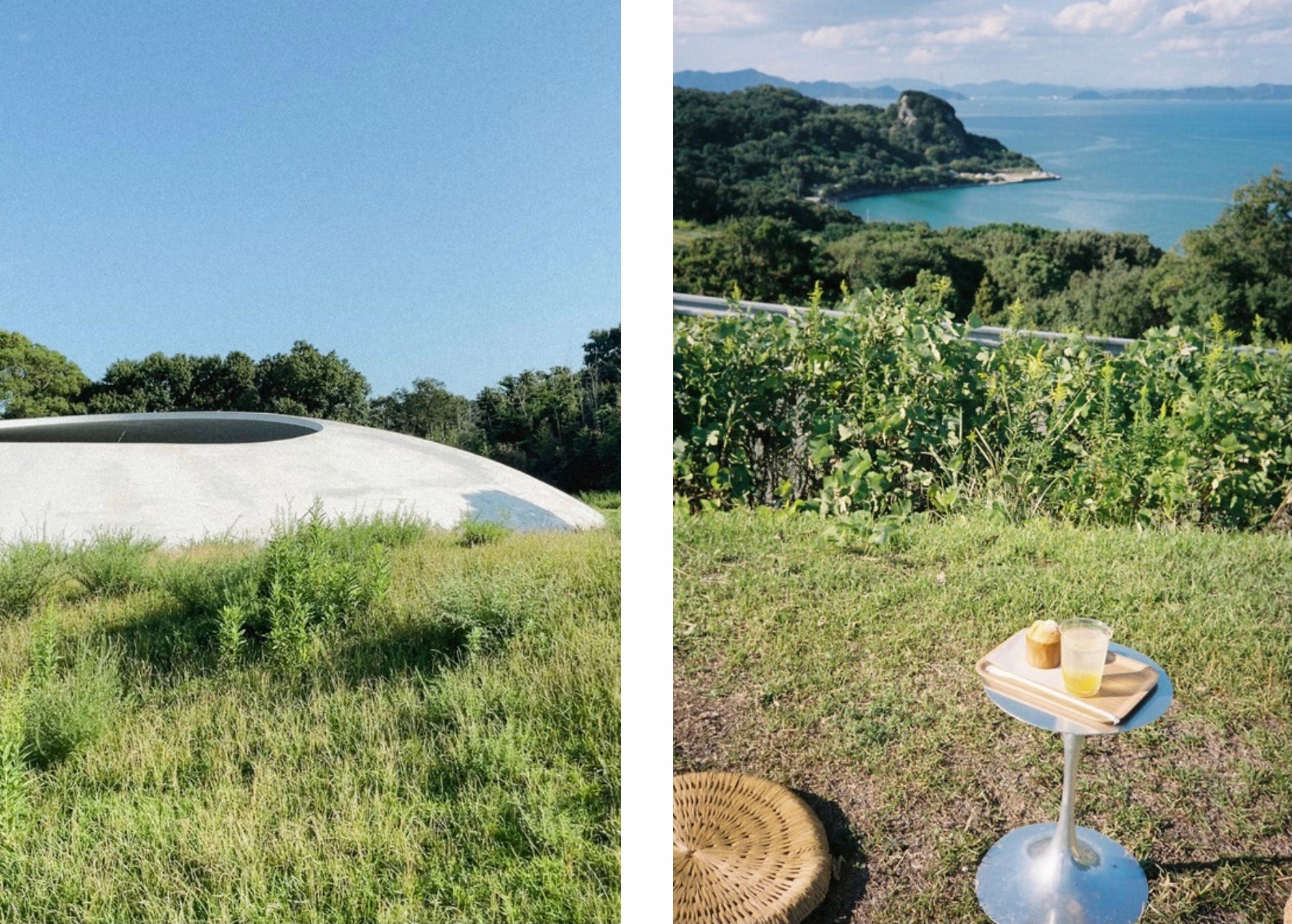
The gallery was a deeply meditative architectural installation, reminiscent of Naoshima. A space to reflect and ponder the changing sky, in absolute silence, other than the quiet shuffle of other distant viewers, trickles of water, and giant grasshoppers. The concrete dome revealed the sky through two large circular skylights, exposing us to the elements. Photos and shoes were not allowed and this of course added to the magic. I had a sleep on the cool concrete.
On the ferry back to Uno, a distinguished French man was sketching the day with coloured pencils, who I remember seeing on Naoshima, perhaps an architect or furniture designer. Someone with an eye for the light, and the finer details.
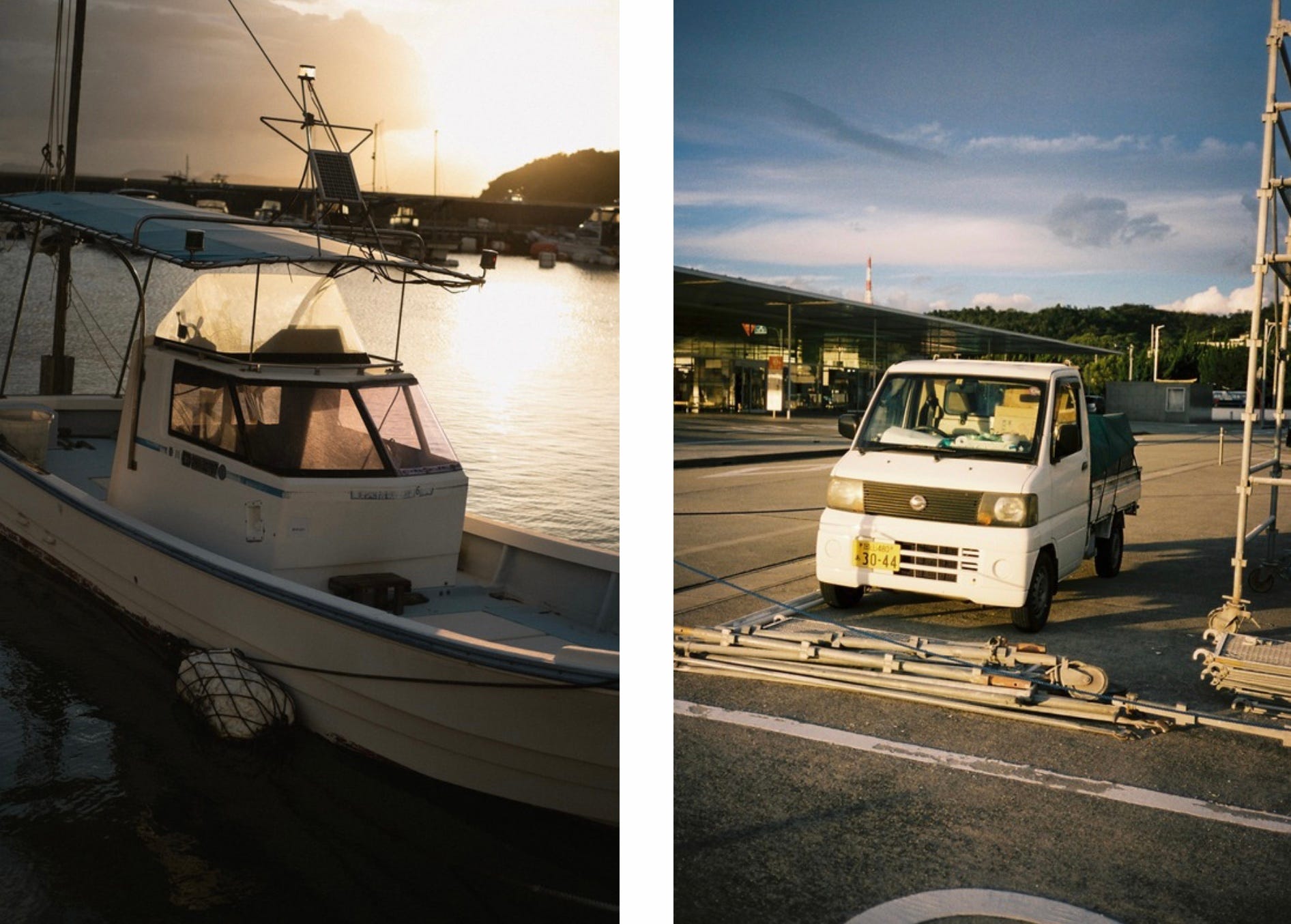
Getting these two rolls of film back was thrilling. My digital camera card was full, so I shot film, and it was a chance to slow down again. I adore my digital camera, but I still place so much value in film photos — the surprise element, the capturing of a fleeting moment, the soft rendering of sunshine. Most of the photos here are all film, though not many are of the art. Just essential to visit and experience for yourself one day if you haven’t already.
Looking forward to sharing the next two weeks! So many stories and so much wonder to share.
Mad x
— — — —
Naoshima
Teshima